#ネットワーク
16 posts-
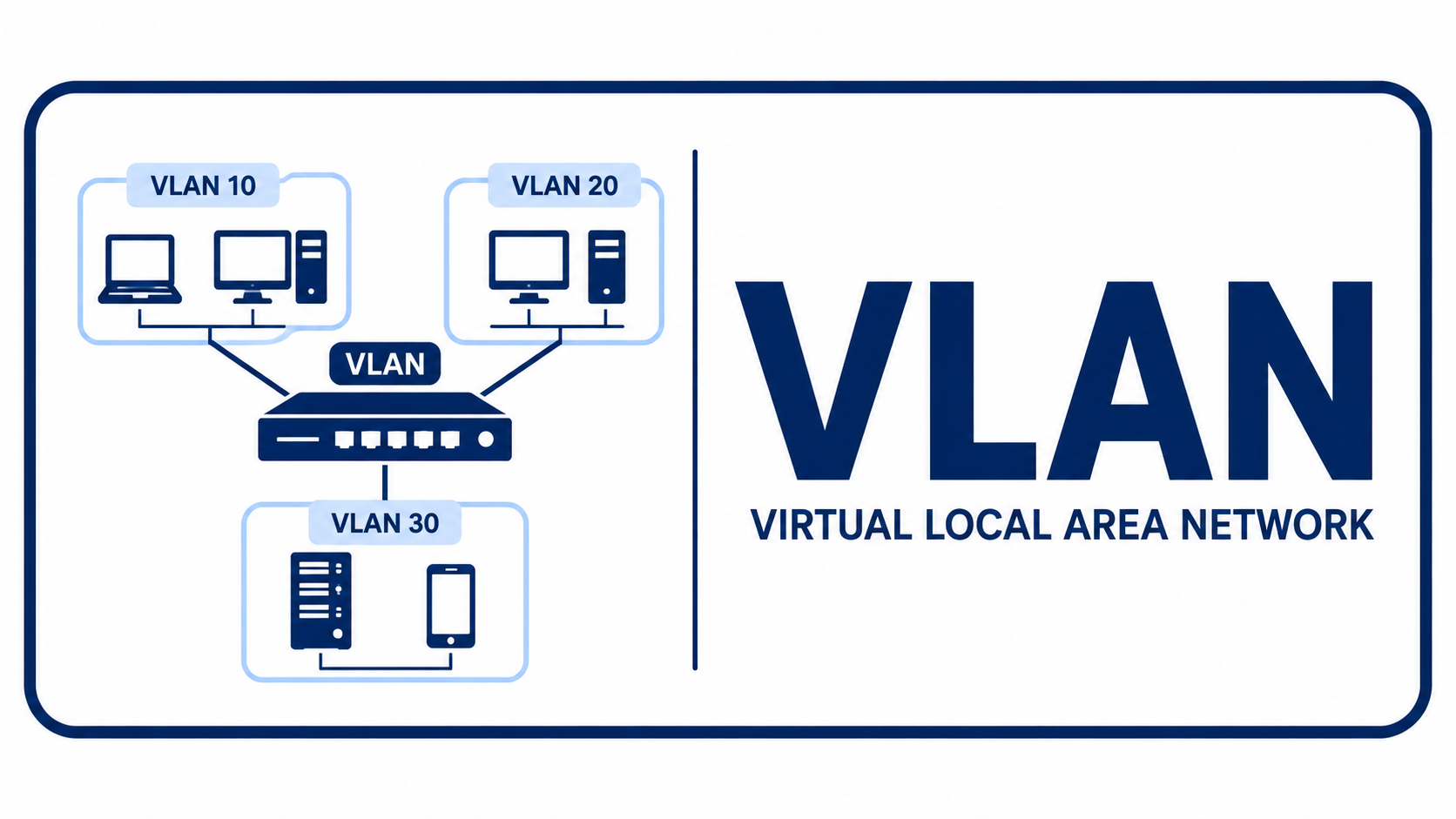 explanation
What Is a VLAN? — Splitting One Switch Logically at Layer 2
A VLAN (Virtual LAN) logically divides one physical switch / one physical network into several independent broadcast dom...
-
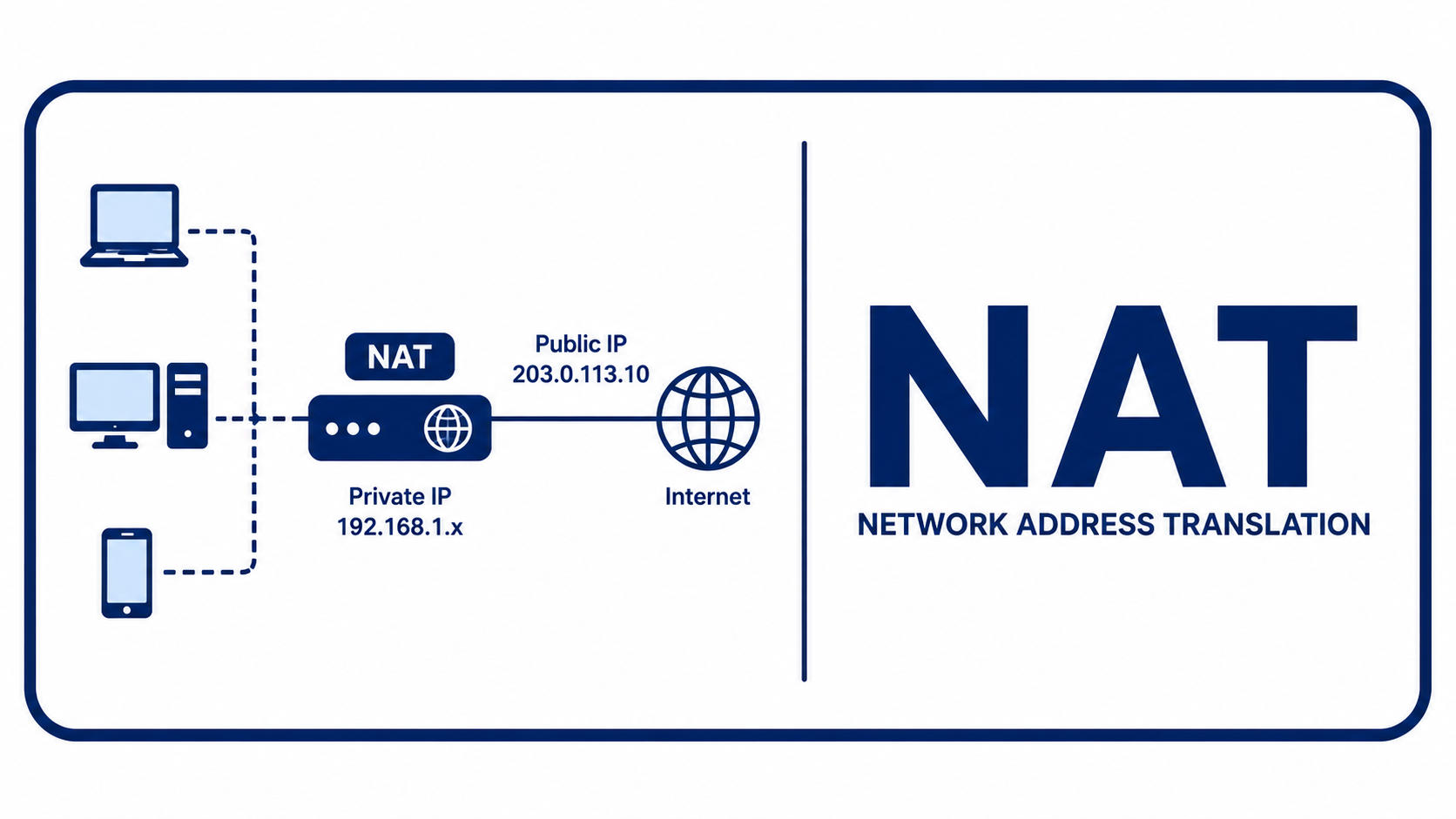 explanation
What Is NAT? — Translating Private IPs to a Public IP, and Port Forwarding
NAT (Network Address Translation) rewrites IP addresses as packets cross a border router. The reason many home and offic...
-
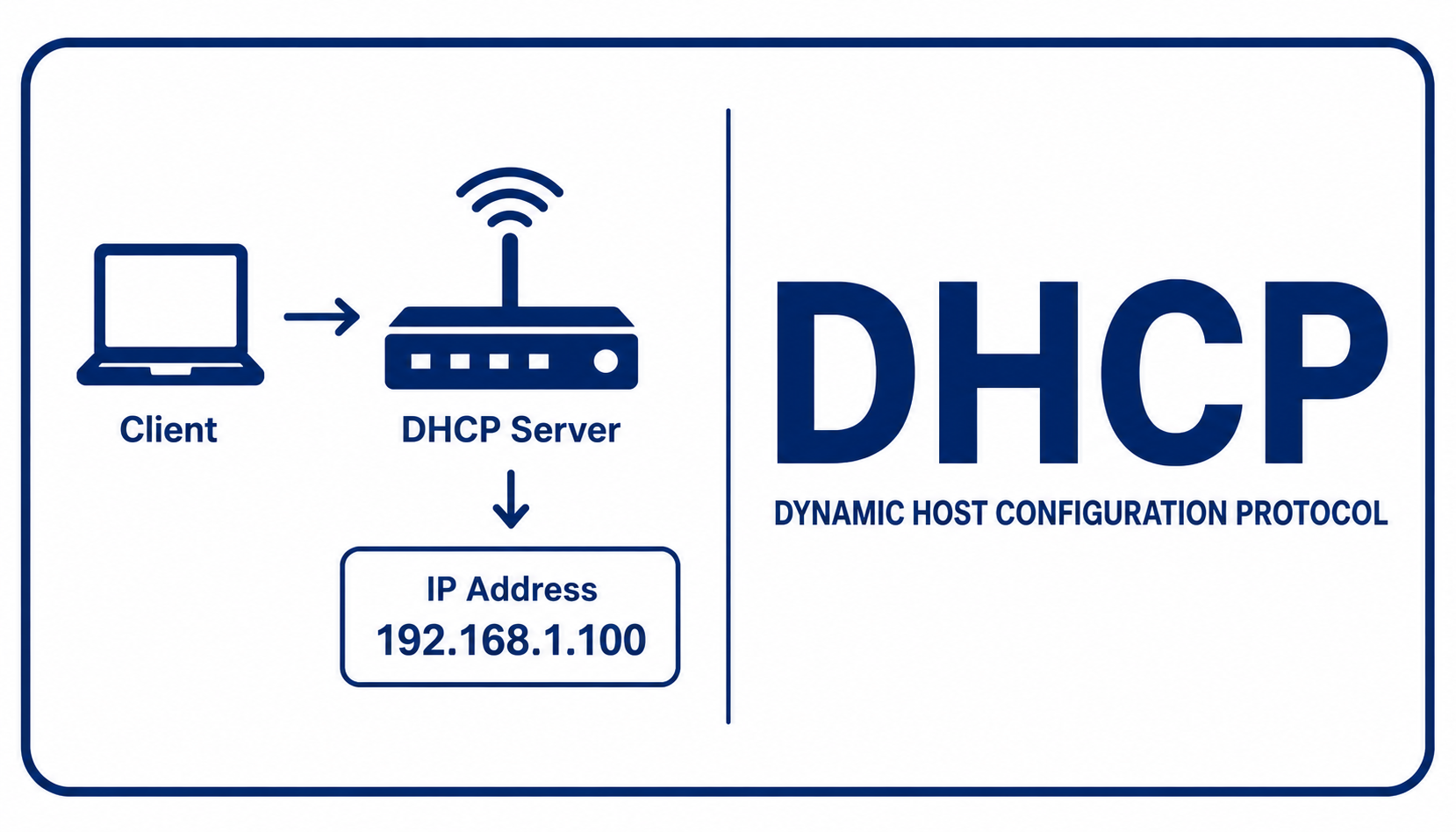 explanation
What Is DHCP? — The DORA Flow That Hands Out IP Addresses Automatically
DHCP (Dynamic Host Configuration Protocol) automatically assigns an IP address, subnet mask, default gateway, DNS server...
-
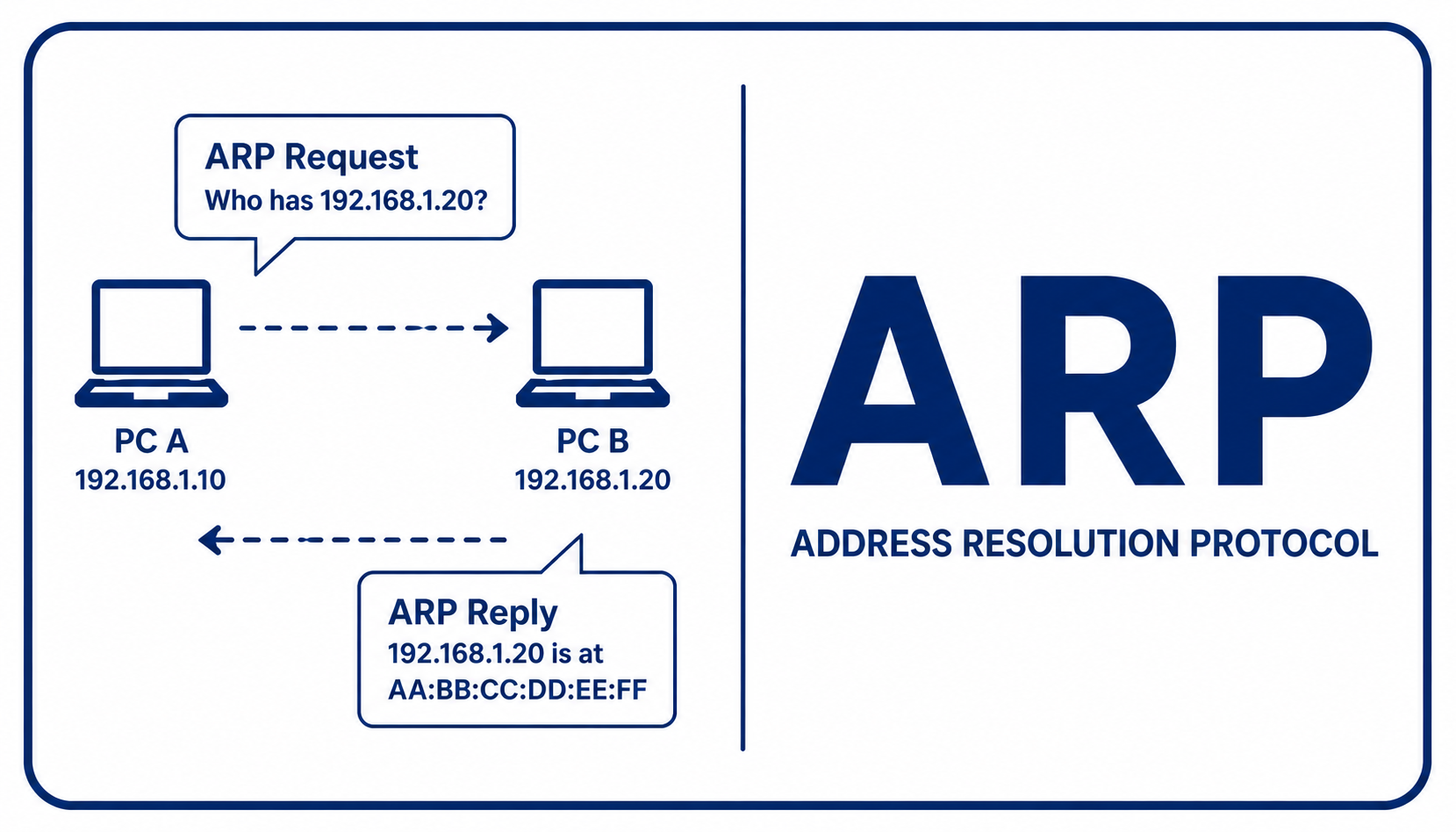 explanation
What Is ARP? — Resolving a MAC Address from an IP Address
ARP (Address Resolution Protocol) is the foundational IPv4 protocol that asks, on a local network, 'what is the MAC addr...
-
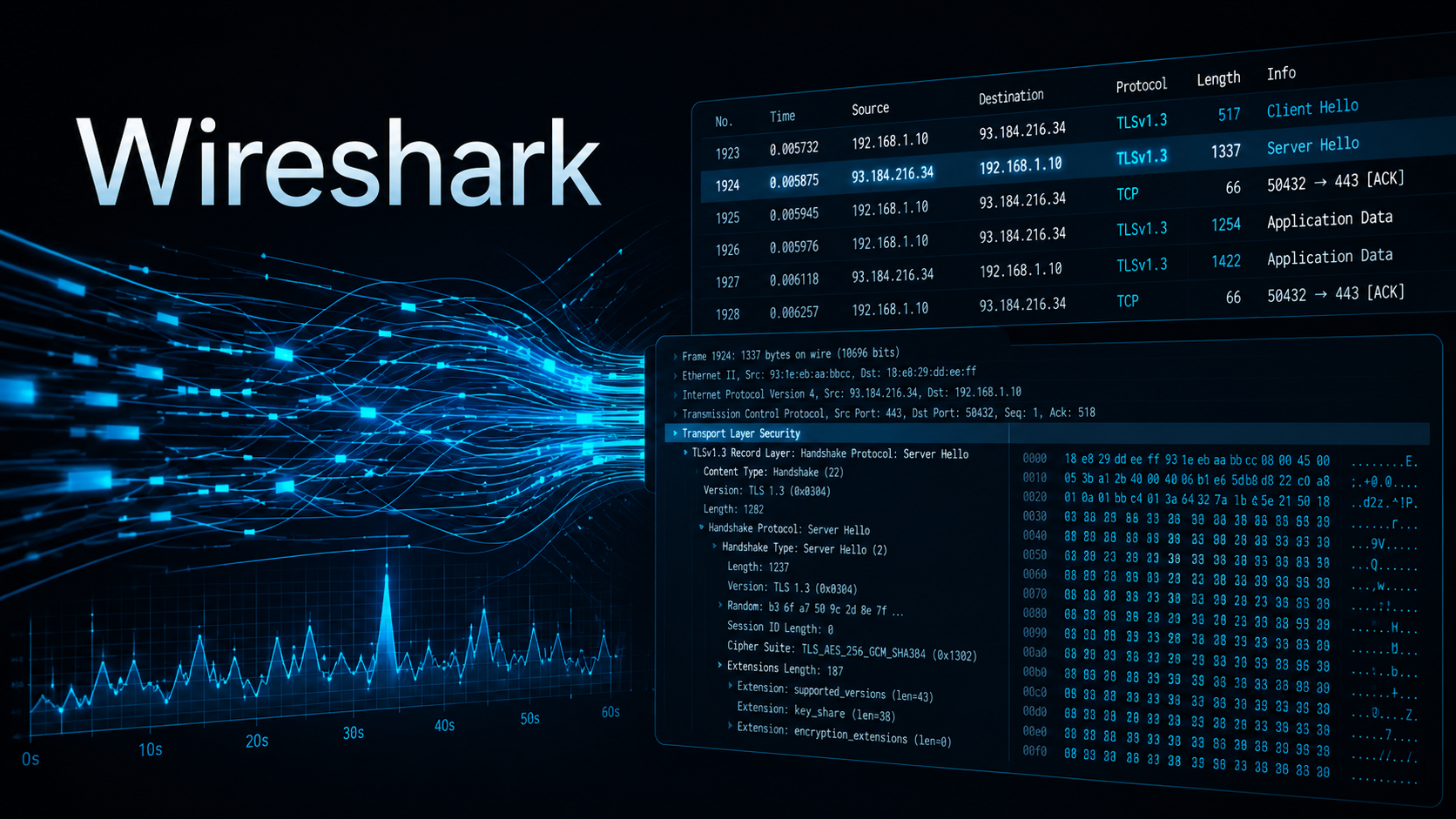 explanation
Wireshark Explained — The Standard Tool for Packet Capture and Analysis
Wireshark is the world's most widely used network analyzer — it captures packets straight off the wire and decodes them...
-
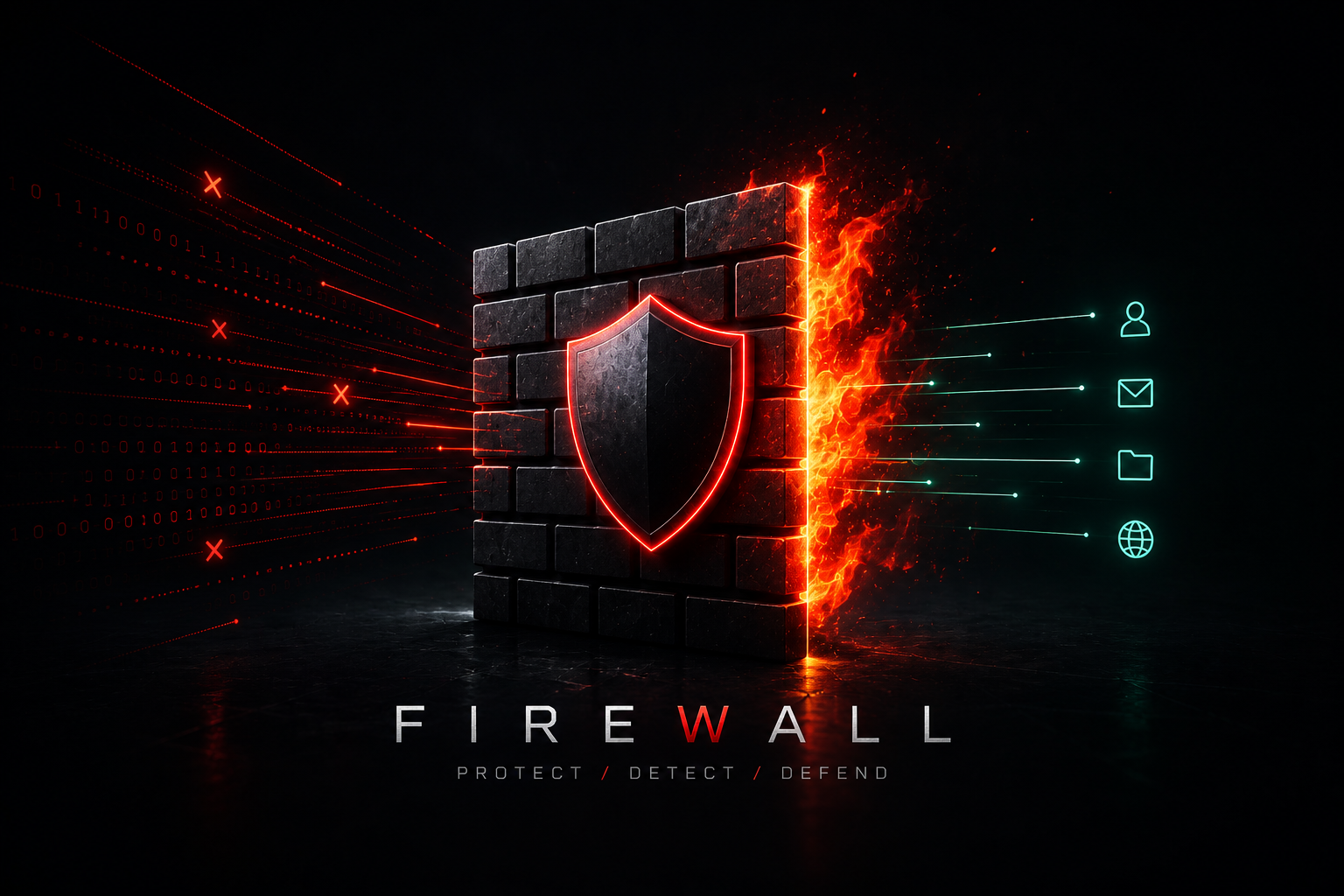 explanation
Firewalls Explained — Five Generations, Stateful, NGFW / WAF / Cloud SGs
A firewall is an access-control device that drops any traffic that doesn't match a defined rule. Starting with DEC SEAL...
-
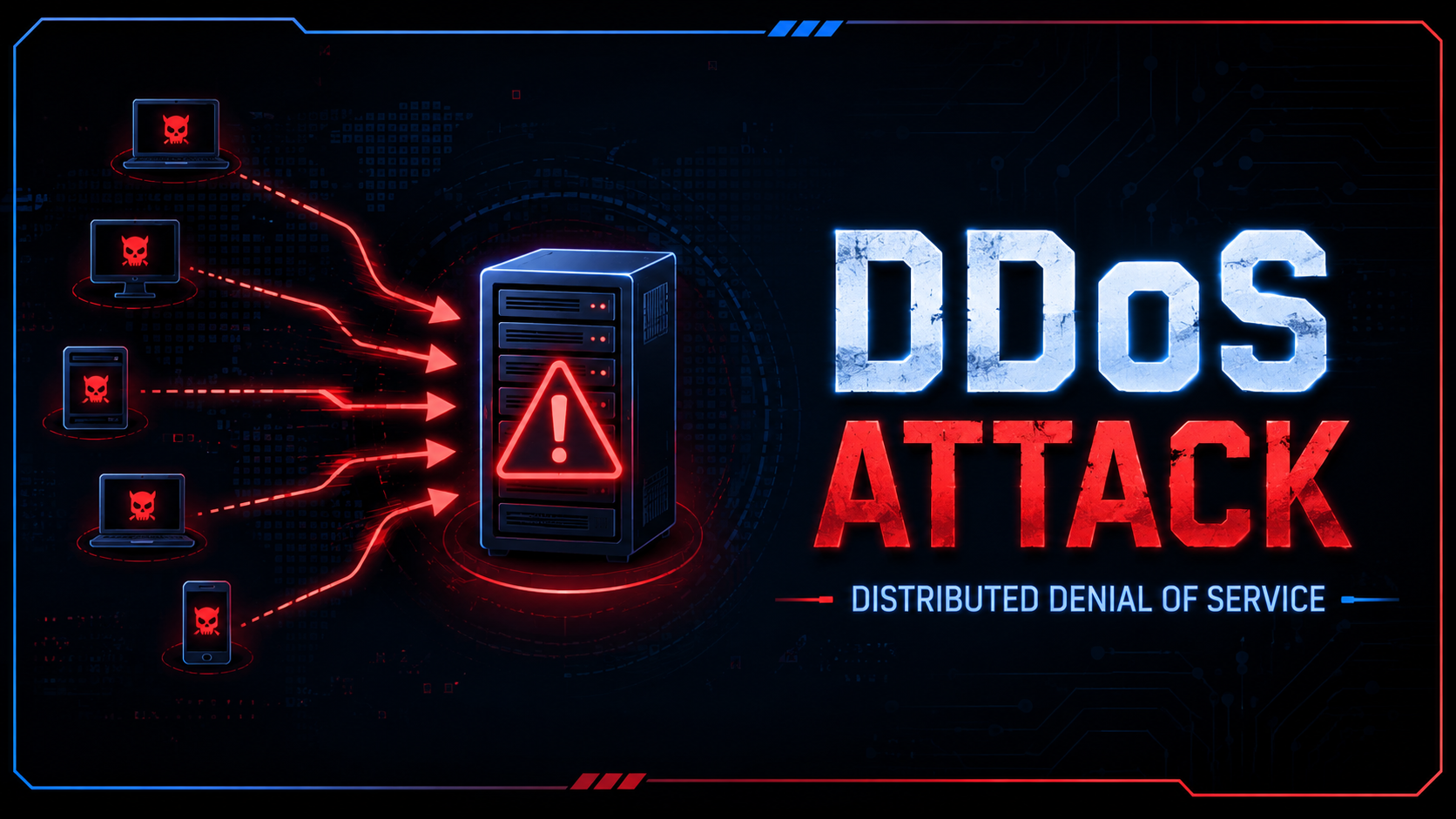 explanation
DDoS Explained — Mechanics, Categories, and Defenses
DDoS (Distributed Denial of Service) is the attack of burying a target under legitimate-looking requests, and because it...
-
 explanation
Wi-Fi (IEEE 802.11) Explained — Standards, Bands, and WPA
Wi-Fi shares Ethernet's frame format but rides on radio waves — a shared medium, half-duplex, collisions you can't detec...
-
 explanation
Ethernet Explained — Frame Format, MAC Addresses, and Switching
Ethernet is the L2 protocol that has survived nearly 50 years as the only practical choice for wired LAN. Starting from...
-
 explanation
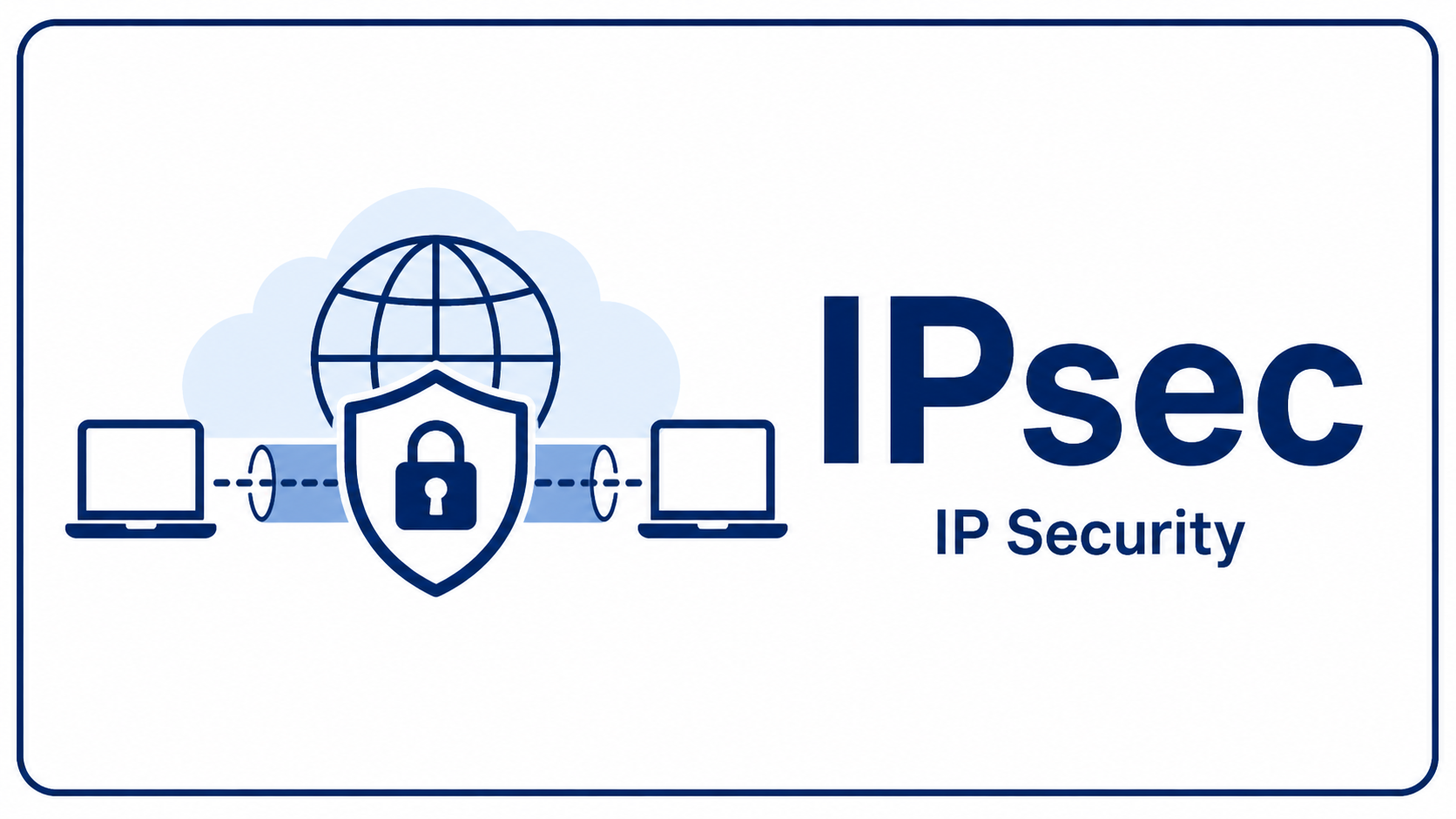
IPsec Explained — Tunnel/Transport Modes and the IKE Key Exchange
IPsec is a family of protocols that encrypts and authenticates IP packets themselves at L3 — rather than the per-applica...
-
 explanation
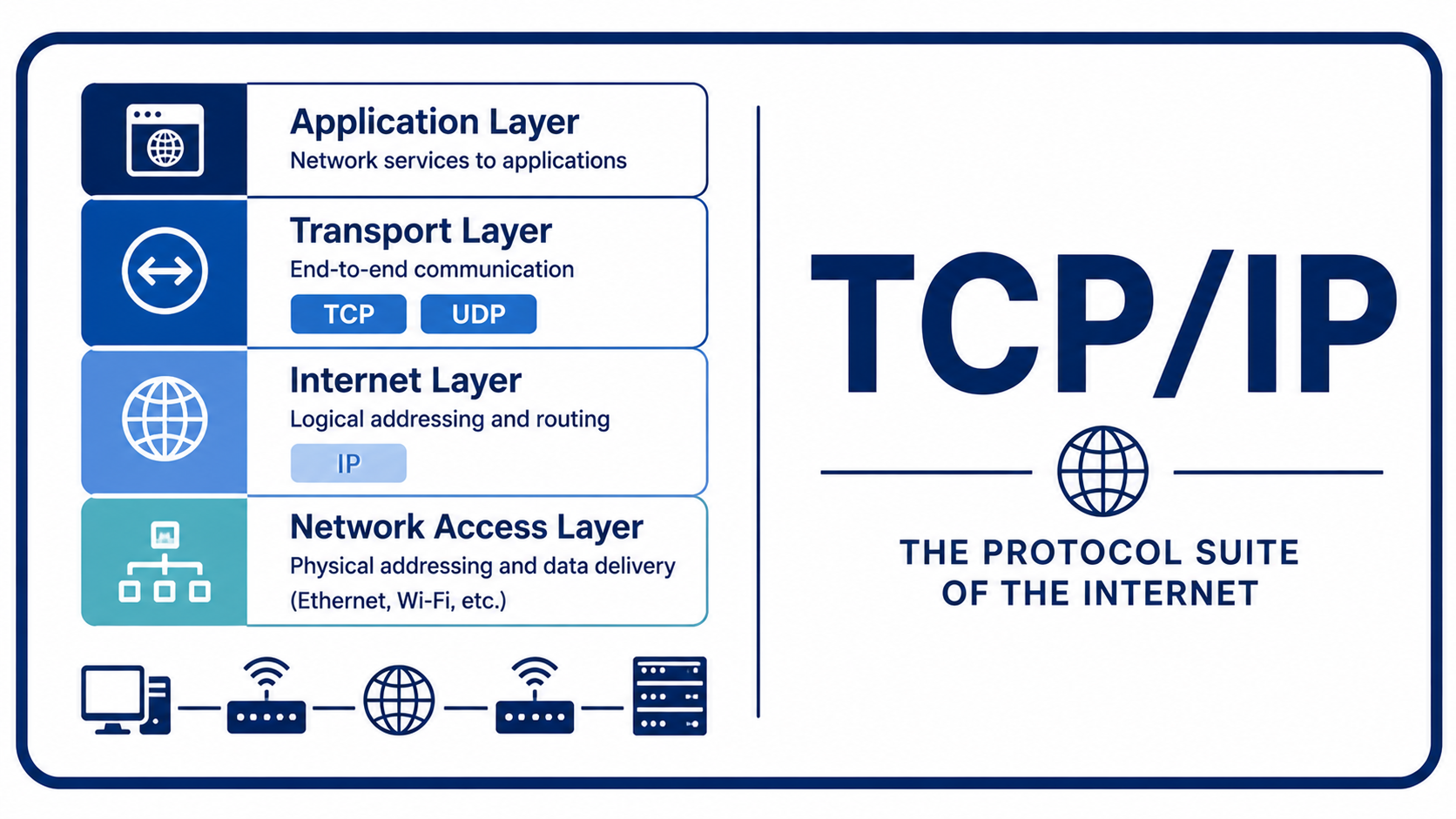
TCP/IP Explained — The 4-Layer Model and TCP vs UDP
TCP/IP names both 'the protocol suite that runs the Internet' and 'the four-layer reference model that organizes it'. Af...
-
 explanation
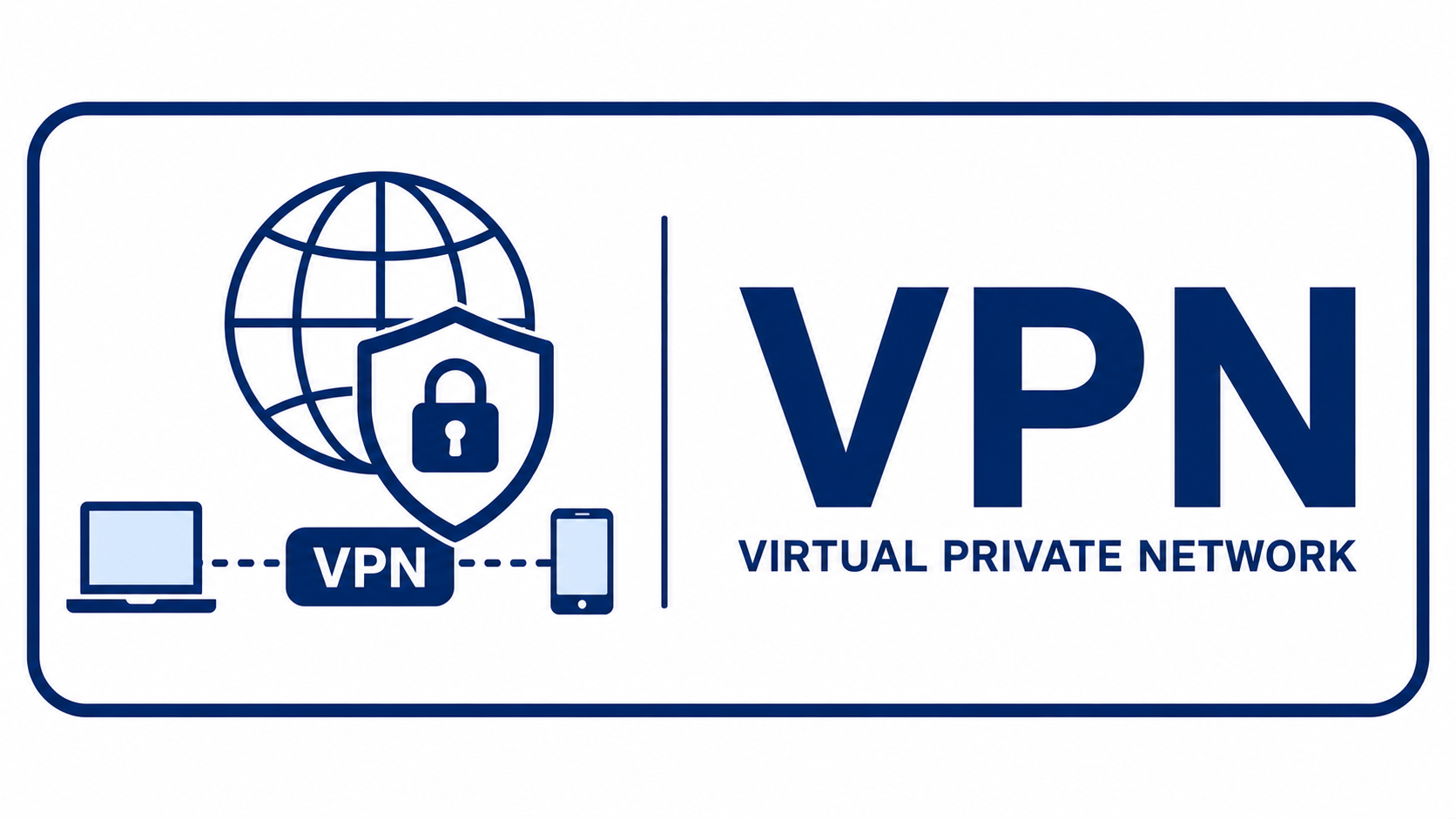
VPN Explained — IPsec, OpenVPN, and WireGuard Compared
A VPN (Virtual Private Network) is the umbrella term for virtually stretching an 'encrypted private line for us only' ov...


